

It’s time to build accessible news
Mission
Increase accessibility in the U.S. journalism industry and in public-facing news products so that news reaches all audiences, regardless of disability, chronic illness, literacy level, or the ways they access and consume information. News is a public good for all.
Purpose
Build, create, and partner with others to make news more accessible. That includes educating journalists through training, products, and innovation, as well as building news outlets that lead the industry in accessibility.
Vision
A news industry that is accessible to both journalists and audiences with disabilities, chronic illnesses, who are veterans, and who are caregivers, so that news is truly a public good for all.
What is accessibility?
OAJ uses the internationally understood definition of accessibility: products, devices, programs, services, resources, or environments are available to all people, regardless of ability, age, or status, with the aim to eliminate barriers, ensuring equal access and participation for all, including those with disabilities, limited mobility, or diverse backgrounds.
Breaking down barriers, building up inclusion
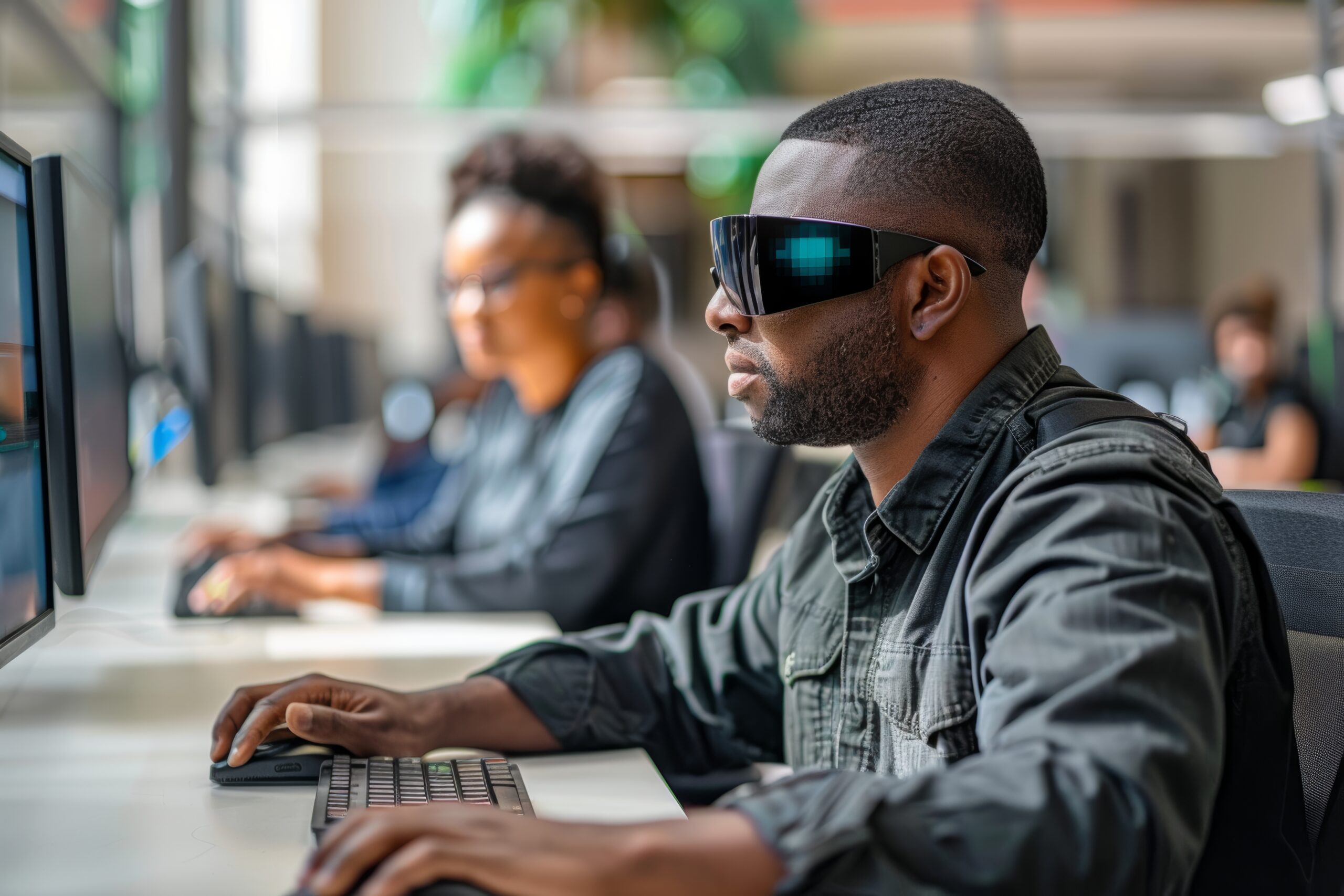
News audiences get their information in many different ways:
- Text articles
- Podcasts
- Videos of events
- Video or audio interviews
- Videos and audio of reporters explaining the news
- Simple lists
- Social media
But when people hit digital barriers on a website or app of any kind, 44 percent report they’ll leave and move on to a competitor’s site.
Information educates, sparks ideas, builds communities, and strengthens society
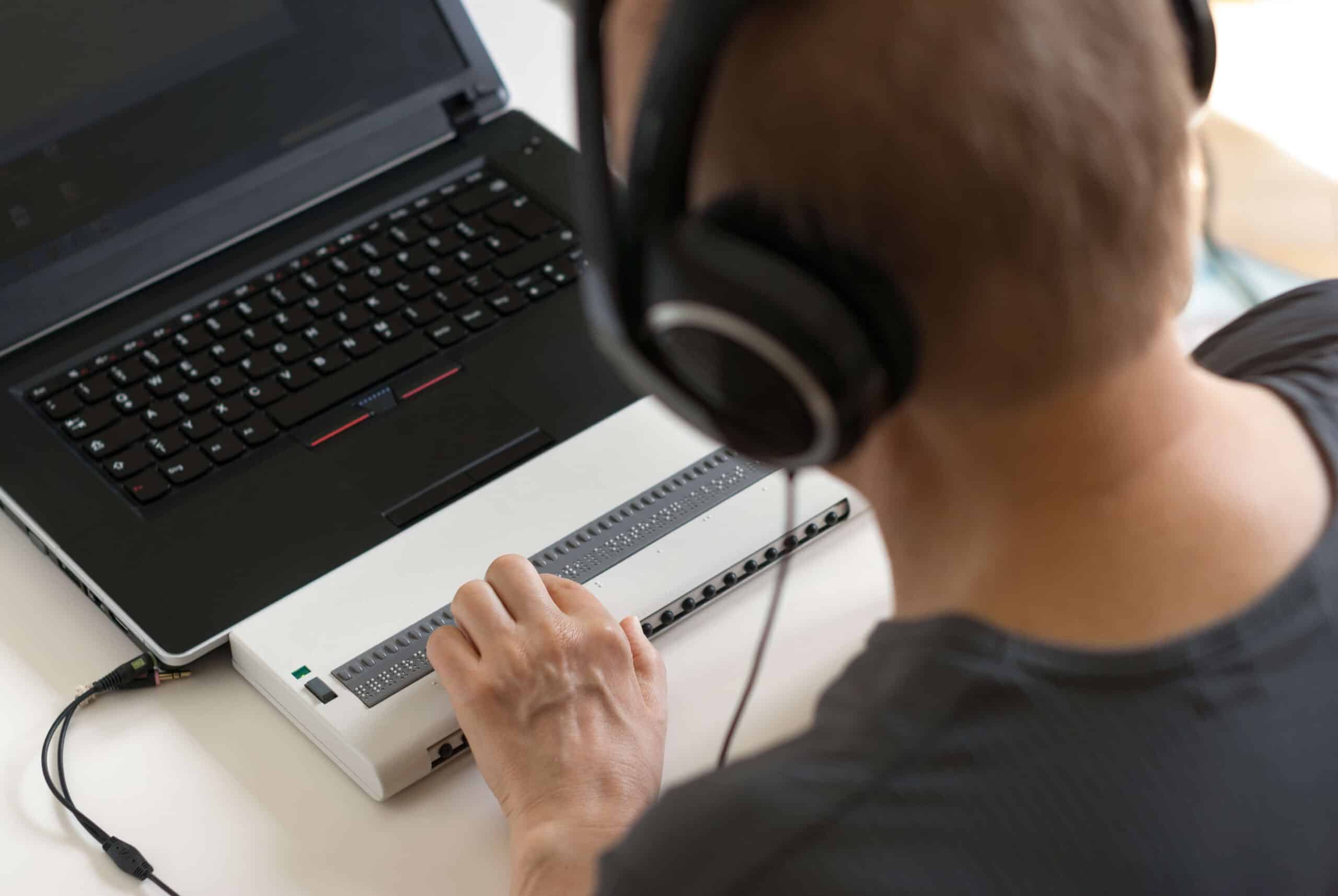
News remains out of reach for too many people because as news moves online digital accessibility goes by the wayside. The annual WebAIM Million report, which looks at the accessibility of the home pages for the top 1,000,000 web sites, continues to rank news websites among “the worst” for accessibility.
Millions of people access the web with assistive technology including:
- Closed captioning
- Sign language interpretation or translation
- Braille keyboards
- Screen readers
- Other assistive and adaptive technology
At OAJ, we believe news should reach everyone. That means removing barriers to news.
But just as audiences are being left out of the news, many qualified people in the journalism industry find themselves underemployed or unemployed when they are disabled, living with a chronic illness, a veteran, or a caregiver. OAJ is working to make the journalism industry a more inclusive place. In a 2025 white paper examining the problems and solutions of accessibility in journalism, OAJ (then Equal Access Public Media) calculated fewer than 8 percent of journalists in the U.S. news industry are identified as disabled.
Moving toward more accessible news for those who need it most means making sure those same people have stable, long-term employment in journalism. It means making newsrooms accessible, too.